揭仲對《中天新聞網》表示,此次絕非大陸海上民兵船隻首度出現在台灣東部敏感海域;事實上,在2021年7月30日上午,海巡署東部分署就曾發現2艘大陸籍漁船,「瓊三亞漁72107號」及「瓊三亞漁72108號」進入蘭嶼周邊的12浬領海範圍內,隨即派出海巡艦艇前往驅離,並一路伴隨監控直到大陸漁船航行離開相關水域為止。
揭仲指出,從相關跡證顯示,2021年7月30日出現在蘭嶼領海範圍內的2艘大陸漁船,實際上是肩負情蒐任務的海上民兵船,理由包括:
一、當年7月30日仍在大陸官方發布的休漁期間內,該2艘漁船卻出現在遠離母港的蘭嶼海域。
二、從海巡署公布的驅離畫面可知,這些大陸漁船在上層結構加裝不少衛星天線。
三、中科院於當年7月27日、7月28至30日,以及8月2至4日,在屏東的九鵬基地規劃數波武器實彈射擊,蘭嶼則緊鄰這些演習區的東南邊緣。
揭仲表示,8月初該艘民兵船在大陸海警船艦與科研船的陪同下到達台灣海域,研判其動機除了如部分學者所擔心的,演練日後在海警掩護下,由民兵對海纜實施破壞外,未來也可能會執行下列任務。首先是在海警船艦掩護下,由民兵船假冒漁船實施對台灣東部的近距離情蒐任務,當我方海巡艦艇出面驅趕時,海警船則出面干預,一方面掩護擔任情蒐任務的民兵船撤離,同時在台灣東部海域創造執法、「護漁」的例證,支援其對台灣的法律戰訴求。
其次是未來大陸漁船可能在民兵船帶領、海警船護航的情況下,到台灣東部海域作業,創造漁船在此海域作業、海警船在此執法護漁的例證,支援其對台灣的法律戰訴求。
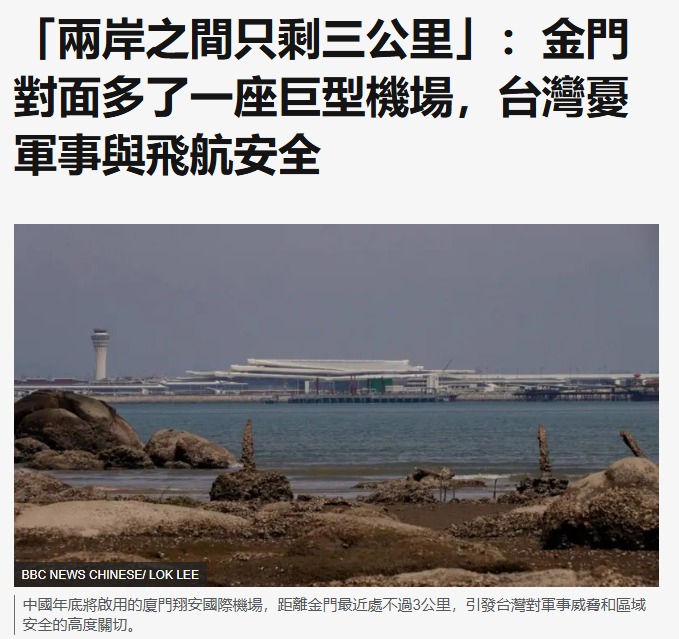
揭仲向BBC中文分析,隨著該機場正式運作,中共海警船與公務船極可能在金門外海常態性巡弋,並以「保護航道安全」為名,對靠近的台灣船隻進行檢查、查扣甚至登檢。「當這種狀況出現時,我們的海警船恐怕必須上前阻止。緊張的形勢雖未必升級為衝突,但海域執法的緊張情勢必然增加,」他指出,兩岸海上執法摩擦很可能加劇。揭仲指出,金門禁限制水域的存在凸顯中國法律戰訴求與實際管轄之間的落差。隨著翔安機場啟用,中國不僅可對台灣形成海上施壓,也營造「管轄權既成事實」。
揭仲亦分析,翔安機場若要支援大規模跨海行動或兩棲登陸作戰,仍有明顯限制。他指出,場內倉儲設施多屬商業用途,缺乏軍事防護標準,且未見掩體配置,使軍機或大型運輸機進駐時處於高度暴露狀態。他並提到,美國出售台灣的海馬士(HIMARS)火箭系統,射程約80公里,並能發射射程高達300公里的戰術飛彈,台灣可從金門或台中直接攻擊翔安機場。
「在武力犯台的初期階段,翔安機場恐怕派不上用場。只有在中共已經掌握台灣周邊的制空權與制海權,並成功壓制台灣本島的遠程打擊火力之後,才可能真正發揮作用。」(圖片擷取自 BBC 中文網)
目錄
中共首度宣稱與那國島周邊為管轄範圍
北京為何挑與那國島施壓
共軍對日本連續發動三波施壓行動
中共又開始擔憂台灣可能調整南海主權主張
———–
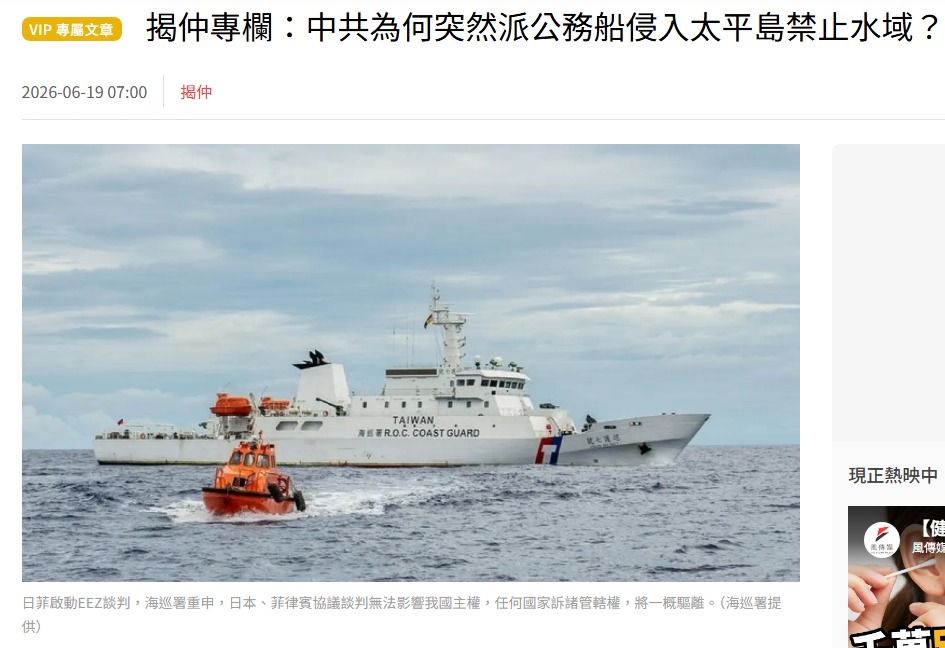
中共施壓的工具,除原本的海警與海巡等公務船,共軍機艦自6月6日起也開始加入對日本施壓;施壓的區域也從台灣東部EEZ海域與釣魚台周邊,擴大到與那國島及沖繩島周遭海域,更在6月11日上午,派出二艘隸屬三沙綜合執法支隊的大型公務船,侵入南沙太平島禁止水域,最近時距太平島僅2.1浬,創下中共公務船刻意侵入太平島周邊禁限水域的首例。
中共將施壓範圍擴大到與那國島和太平島,似乎顯示北京開始擔心台灣為了「倚外謀獨」,在台灣東部、甚至南海主權主張上做出讓步。
至於中共為何要推翻行之有年的默契,派大型公務船侵入太平島禁止水域,不排除是台灣外交部在日菲宣布啟動劃界談判後,第一時間表示「肯定」的作法,被中共認定為台灣不惜在相關海域的爭議問題上讓步,以換取日菲協助台灣「倚外謀獨」;在海峽兩岸官方嚴重缺乏互信的情況下,遂使北京開始擔心日後台灣政府對南海,會不會也和台灣東部的EEZ一樣,願意調整主權主張,來換取美國、日本和菲律賓的支持,以推動北京眼中的「倚外謀獨」。
一旦中共常態化派公務船進入太平島禁限制水域巡弋,恐怕會引發連鎖效應,連帶導致越南與菲律賓等國,也大舉增加派公務船前往同一海域的頻率,使太平島周遭海域的情勢出現重大變化。國安單位應未雨綢繆,針對可能發生的狀況預做準備。
The article I published on June 5 in Storm Media now has an English version, with the title adjusted to “Beijing’s Maritime Legal War Reaches Taiwan’s Eastern Waters." Please refer to it for further details.
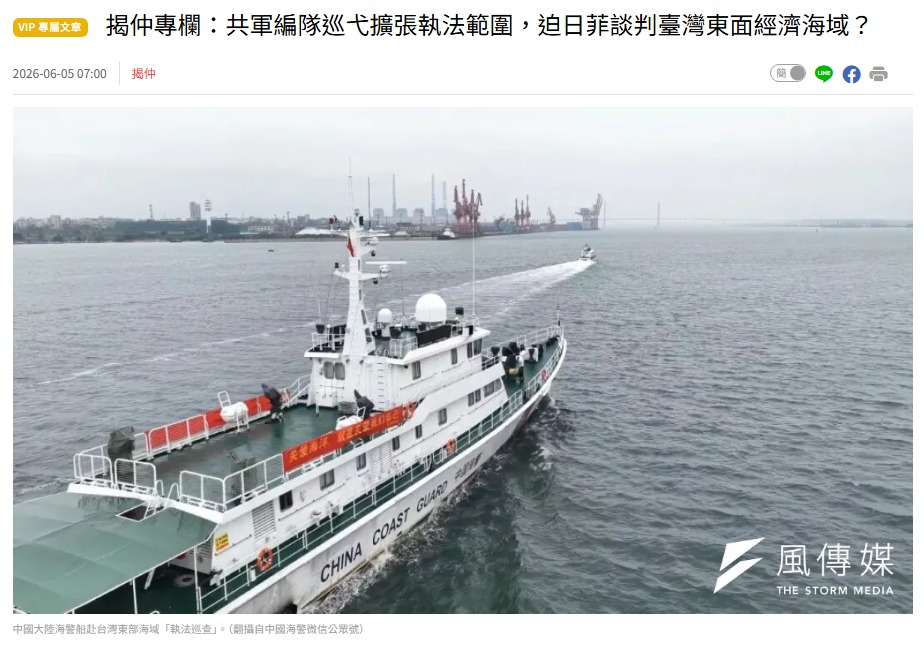
中共外交部發言人毛寧6月2日的談話,極可能意味著中共不排除利用這個事件,持續對日菲二國施壓,希望能迫使日菲二國就劃界所衍生的相關事宜,與中共、而非我方談判,建立其管轄權及於臺灣東部海域的新事證;並進一步藉區域各國是與北京談判的事實,將原本僅針對臺灣的矮化性法律戰,轉變為針對中華民國國際人格的國際性法律戰。
中共也很可能想藉機以抗議、反制日菲片面談判劃界為由,開始派海警船編隊,以每個月至少幾次、每次至少持續一定時間的模式,常態化進入台灣東面、我方專屬經濟海域卻遭日菲納入談判範圍的海域巡弋。換言之,中共想利用此一情形,伺機建立在臺灣東部、我方依《國際海洋法公約》主張的專屬經濟海域範圍,常態化巡弋甚至執法等「管轄」的事實,將侵蝕我方管轄權的法律戰行動範圍,擴張到臺灣東部我方的專屬經濟區海域。(圖片擷取自風傳媒網頁)
The remarks made by Chinese Ministry of Foreign Affairs spokesperson Mao Ning(毛寧) on June 2 likely indicate that the China does not exclude the possibility of using this event to continue applying pressure on Japan and the Philippines. The aim is to compel these two countries to negotiate related matters arising from the delimitation with the China, rather than with Taiwan, thereby establishing new evidence of its jurisdiction in the eastern waters of Taiwan. Furthermore, by leveraging the fact that regional countries are negotiating with Beijing, this could transform the originally Taiwan-targeted degrading legal warfare into an international legal warfare aimed at undermining the international persona of the Republic of China.
The China may also seek to use this opportunity to protest against and counter the unilateral delimitation negotiations by Japan and the Philippines by beginning to deploy Coast Guard vessels in a manner that normalizes their patrols in the waters off Taiwan’s eastern coast—areas that Taiwan claims as its EEZ but which have been included in the negotiation scope by Japan and the Philippines. In other words, the China aims to exploit this situation to establish a routine presence of patrols and even law enforcement within the scope of Taiwan’s EEZ in the eastern waters, thereby expanding the legal warfare actions that erode Taiwan’s jurisdiction into these areas.


近期迴響